Keep in the know
Join our mailing list and be notified when there are new articles on our website.
More results...

Joe Donohue says we can draw inspiration from the success of Tony Blair’s Rough Sleepers Unit and the Greater Manchester experience.
Joe Donohue says we can draw inspiration from the success of Tony Blair’s Rough Sleepers Unit and the Greater Manchester experience.
 You can also listen to our new podcast
The first episode with Suzanne Heywood, Professor Alex Hill and Dr David Halpern is now live!
In this inaugural episode of the Heywood Quarterly Podcast, we find out which public sector leaders create long-term change. They are not the ones that most of us expect – or the ones that usually get recognised and rewarded…
The first episode with Suzanne Heywood, Professor Alex Hill and Dr David Halpern is now live!
In this inaugural episode of the Heywood Quarterly Podcast, we find out which public sector leaders create long-term change. They are not the ones that most of us expect – or the ones that usually get recognised and rewarded…


Catherine Taylor, Visiting Practitioner on the Heywood Fellowship team, shares lessons on gauging citizens’ opinions at a two-day workshop.

Michael Padfield says the Civil Service must undertake transformation, not passively undergo it.

Warren Heppolette explains how devolved administrations can help drive better-targeted and more cost-efficient public services.

Adam Coutts highlights worrying fault lines in the relationship between academics and government.

Rosehanna Chowdhury, CEO of the UK Resilience Academy, explains how and why the UK should build a whole-of-society response.
A new Prime Minister must tackle welfare immediately, say Adam Coutts, Matt Leach and Maria Pravda – here’s where to start.

Nick Kimber highlights the urgent need for better collaboration between Whitehall and local communities.

Professor Dame Sally Davies calls for new thinking to mobilise governments, health systems and communities.

Research by Harry Booty suggests that a mix of cultural and pragmatic considerations are at play.

Stephen Webb argues that we should replicate what we can from the style of administration that worked in earlier centuries.

Martin Fitches and Michael Leger, from the 2026 Heywood Fellowship Team, say history teaches important lessons for today’s policymakers.

Japan, Korea, The Netherlands and Spain think about the long term in very different ways to us, says Philip Bray.

Lucy Smith argues that democracies need not be short-sighted and explores how our horizons can look beyond electoral cycles.

Ray Shostak, Richard Bell and David Robinson explore the power of human connection in public services.

Bowie Penney explains how civil servants across government can use the latest research on deprived neighbourhoods.

Anthony Finkelstein argues that the UK needs stronger tech foundations to reap the benefits of artificial intelligence.

Sir Chris Whitty, Chief Medical Officer for England, demonstrates how people who live longer do not necessarily spend more time in ill health.

Amanda Spielman, former Chief Inspector of Schools, describes how she approached the challenge of impartiality at Ofsted.

Lucy Smith, Heywood Fellow, explains the importance of long-term strategy for the UK – and how other countries may be leading the way.

Matt Bland highlights examples of evidence-based innovation on the front line, and what policy professionals across the Civil Service can learn from this experience.

Joe Donohue says we can draw inspiration from the success of Tony Blair’s Rough Sleepers Unit and the Greater Manchester experience.

Emily Connolly, Deputy Director for Technology Insights, Futures and Foresight, introduces the new AI Scenarios 2030 and how civil servants can use them.

Kate Owen explains what she’s learnt as Chief Executive of the Civil Service Commission.

Tim Dickson talks to CEO Hetti Barkworth-Nanton about next steps for the MOD’s technology transfer unit.

Justine Greening recalls a checklist she once wrote for Sir Jeremy Heywood on reforming the Treasury.

John Kingman responds to Justine Greening’s critique of HM Treasury.

Peter McDonald talks to Sheffield City Council’s Chief Executive, Kate Josephs, about her move to the regions and what devolution may mean for those at the centre.
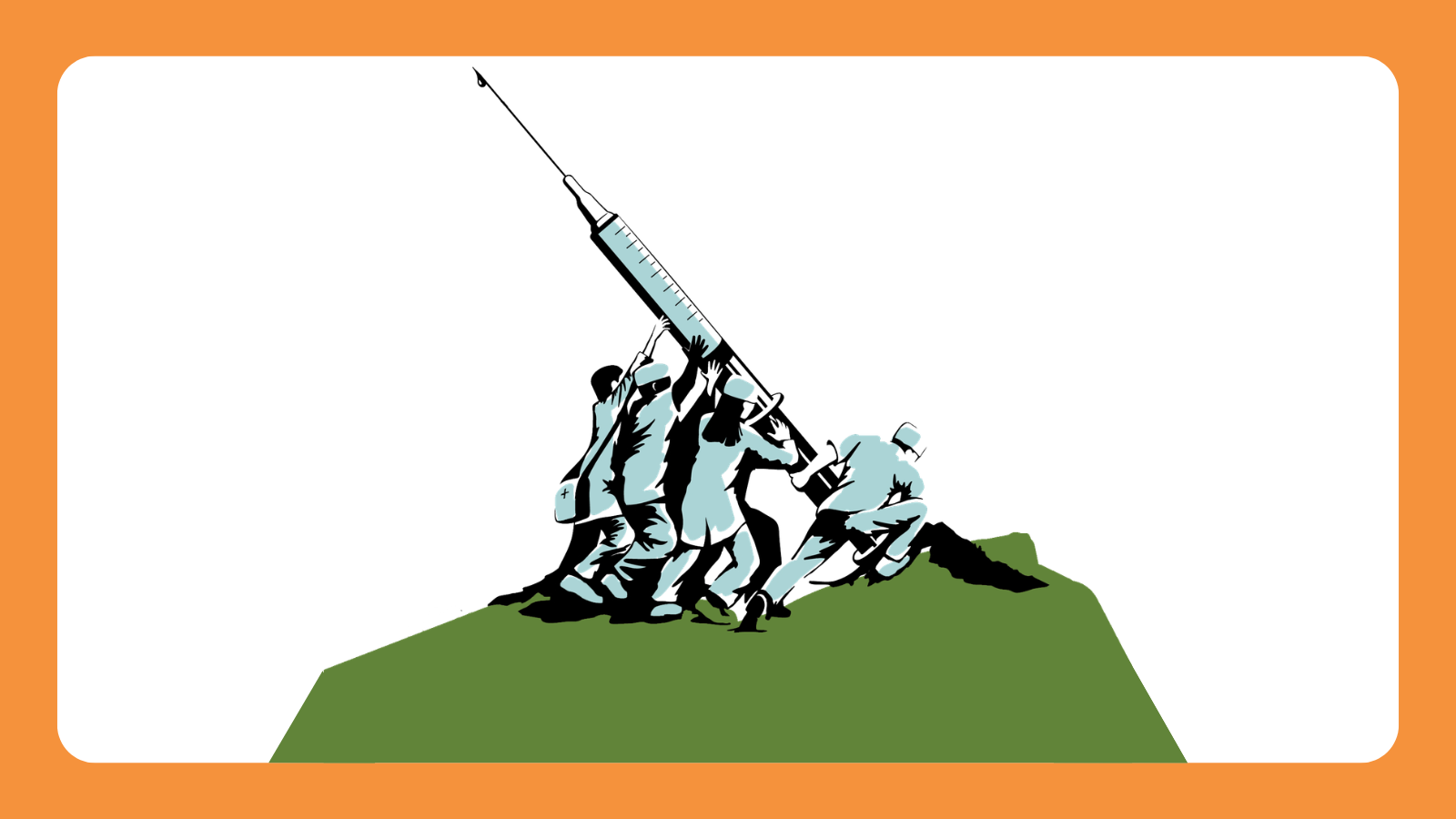
Madelaine McTernan, Chief of Defence Nuclear at the Ministry of Defence, explains how Covid and nuclear converged.
Adam Coutts highlights worrying fault lines in the relationship between academics and government.
Mark Sedwill describes what mid-term transitions teach the centre.
Simon Case explains why we need a well-codified process for switching Prime Ministers outside an election period.

The Heywood Quarterly’s first podcast provides some compelling answers on which leaders create lasting change.

Charles Donald reflects on the first ten years of UKGI, the Government’s in-house corporate finance boutique.

Menna Rawlings, former Ambassador to France, reflects on three and a half decades as a diplomat – and on peaks women yet have to scale.

John Manzoni, business executive-turned Civil Service CEO, talks to Peter McDonald about his time in government and change from the inside.

Barbara Woodward explains why the UN remains vital to the UK's foreign policy.

In this edited summary of an extensive discussion, Peter McDonald talks to the former Permanent Under-Secretary of the FCDO, Sir Philip Barton.
Amanda Spielman, former Chief Inspector of Schools, describes how she approached the challenge of impartiality at Ofsted.

In this edited summary of an extensive discussion, Peter McDonald talks to Helen MacNamara about the lessons she took from being at the centre of government, and having a ringside seat during Brexit and the Covid pandemic.
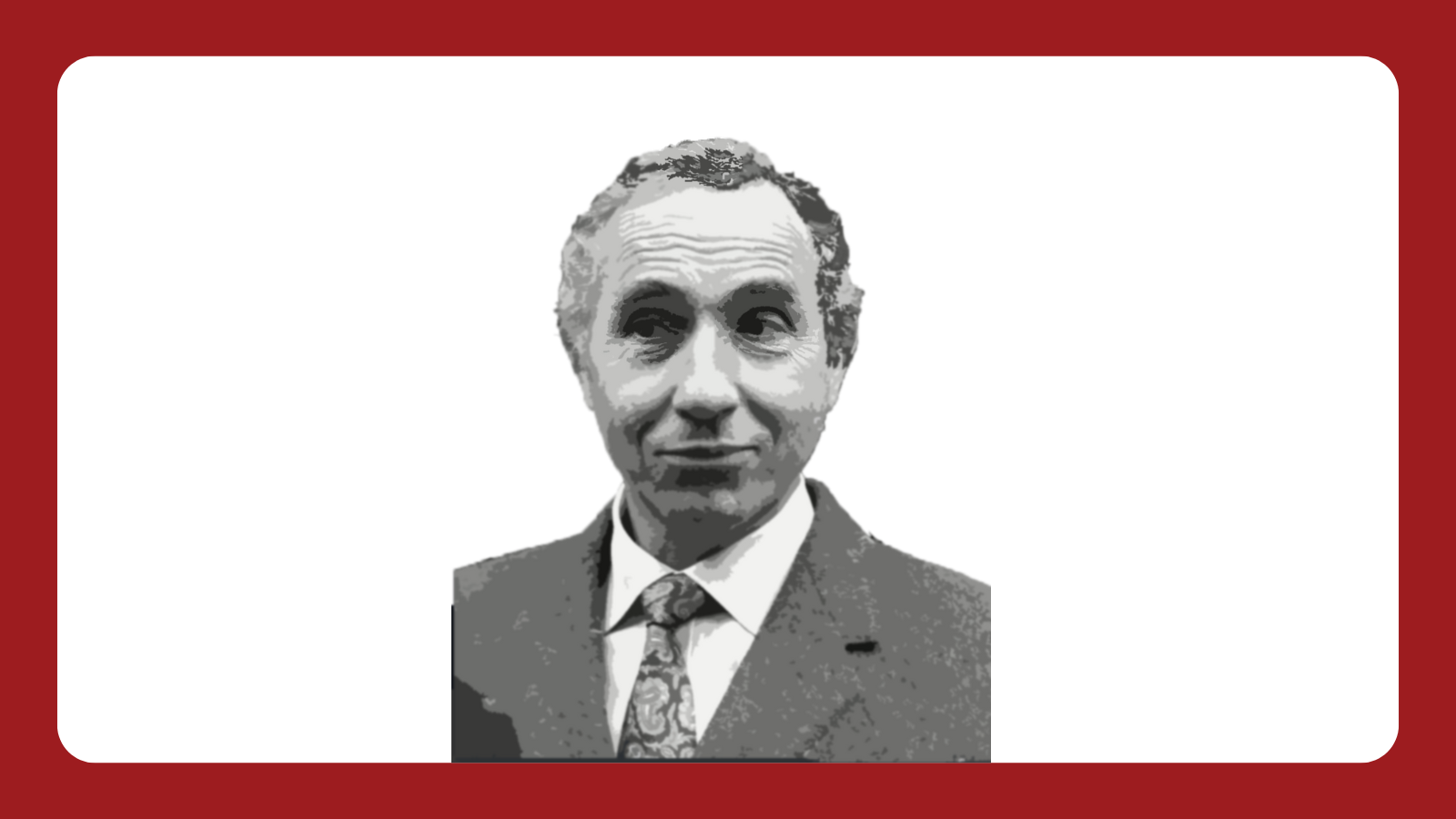
Alex Thomas explains the looming legacy that depictions of figures like Sir Humphrey and Malcolm Tucker have left.
Justine Greening recalls a checklist she once wrote for Sir Jeremy Heywood on reforming the Treasury.
John Kingman responds to Justine Greening’s critique of HM Treasury.
A new Prime Minister must tackle welfare immediately, say Adam Coutts, Matt Leach and Maria Pravda – here’s where to start.
Charles Donald reflects on the first ten years of UKGI, the Government’s in-house corporate finance boutique.

Stephen Aldridge, Director, Analysis and Data at the MHCLG highlights three charts with a striking message for the UK.

Mario Pisani on the importance of trust in institutions and a history lesson that is relevant to all civil servants.

Fred Perry describes how business, the regions and even other countries were involved in shaping a key government policy.

Robert Chote, its first full time Chairman, explains how the UK’s Budget watchdog came about and examines some of the critiques it has faced.
Emily Connolly, Deputy Director for Technology Insights, Futures and Foresight, introduces the new AI Scenarios 2030 and how civil servants can use them.
Tim Dickson talks to CEO Hetti Barkworth-Nanton about next steps for the MOD’s technology transfer unit.
Catherine Taylor, Visiting Practitioner on the Heywood Fellowship team, shares lessons on gauging citizens’ opinions at a two-day workshop.
Michael Padfield says the Civil Service must undertake transformation, not passively undergo it.

Sir Rich Knighton, Chief of the Defence Staff, on defence and the next-generation battlefields.
Rosehanna Chowdhury, CEO of the UK Resilience Academy, explains how and why the UK should build a whole-of-society response.
Nick Kimber highlights the urgent need for better collaboration between Whitehall and local communities.
Professor Dame Sally Davies calls for new thinking to mobilise governments, health systems and communities.
Research by Harry Booty suggests that a mix of cultural and pragmatic considerations are at play.

Owen Pengelly says civil service leaders need to distinguish between productivity and financial efficiency when it comes to AI.
Bowie Penney explains how civil servants across government can use the latest research on deprived neighbourhoods.
Anthony Finkelstein argues that the UK needs stronger tech foundations to reap the benefits of artificial intelligence.

A summary of recent news and views that you might have missed - from the GOV.UK app to AI usage in the Civil Service.
Stephen Aldridge, Director, Analysis and Data at the MHCLG highlights three charts with a striking message for the UK.
Sir Chris Whitty, Chief Medical Officer for England, demonstrates how people who live longer do not necessarily spend more time in ill health.

Susan Acland-Hood and Simon Blake explain how Covid prompted a new approach to tackling absence rates in schools in England.
Matt Bland highlights examples of evidence-based innovation on the front line, and what policy professionals across the Civil Service can learn from this experience.

True digital transformation requires reimagining the citizen experience from scratch, argues Victor Dominello, CEO of the Future Government Institute and a former New South Wales Minister for Customer Service.

Penny Endersby, CEO of the Met Office, talks to Tim Dickson about her journey from specialist researcher to running the Met Office.

Gus O’Donnell and Kathy Hall review what the latest Blavatnik Index has to show us about the UK's comparative strengths and weaknesses.
Joe Donohue says we can draw inspiration from the success of Tony Blair’s Rough Sleepers Unit and the Greater Manchester experience.
Madelaine McTernan, Chief of Defence Nuclear at the Ministry of Defence, explains how Covid and nuclear converged.
Warren Heppolette explains how devolved administrations can help drive better-targeted and more cost-efficient public services.
A new Prime Minister must tackle welfare immediately, say Adam Coutts, Matt Leach and Maria Pravda – here’s where to start.
Nick Kimber highlights the urgent need for better collaboration between Whitehall and local communities.
Ray Shostak, Richard Bell and David Robinson explore the power of human connection in public services.
John Manzoni, business executive-turned Civil Service CEO, talks to Peter McDonald about his time in government and change from the inside.
True digital transformation requires reimagining the citizen experience from scratch, argues Victor Dominello, CEO of the Future Government Institute and a former New South Wales Minister for Customer Service.

Michael Padfield explains the benefits of a range of tools that will drive better strategy, greater democracy and improved delivery.

Understanding the Greater Manchester model will help Whitehall deliver its priorities, says John Wrathmell, Strategy Director at the Greater Manchester Combined Authority.
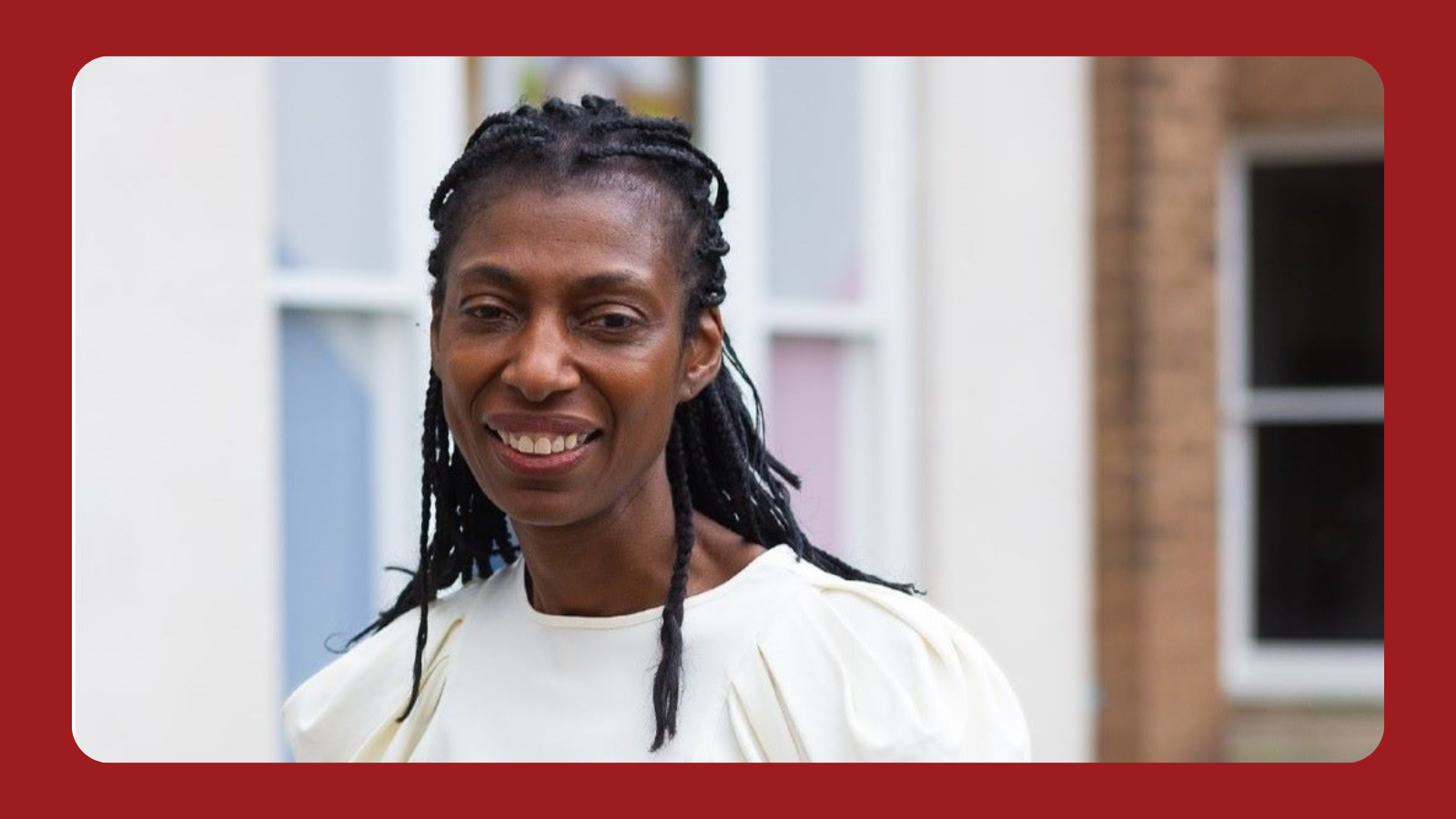
Sharon White, until recently chairman of the John Lewis Partnership, says imaginative ownership models can improve our public services.

Laura Gilbert, Director of Data Science at 10 Downing Street, reflects on her AI and data science teams’ challenges and achievements.

Gus O’Donnell on some key issues likely to face Civil Servants before and after the July 4th general election.

Vijay Rangarajan, Chief Executive of the Electoral Commission, on the challenges of complex legislation, dis-information and abuse.
Rosehanna Chowdhury, CEO of the UK Resilience Academy, explains how and why the UK should build a whole-of-society response.
Menna Rawlings, former Ambassador to France, reflects on three and a half decades as a diplomat – and on peaks women yet have to scale.
Japan, Korea, The Netherlands and Spain think about the long term in very different ways to us, says Philip Bray.
Lucy Smith argues that democracies need not be short-sighted and explores how our horizons can look beyond electoral cycles.
Barbara Woodward explains why the UN remains vital to the UK's foreign policy.

Lucy Heywood describes a day in the life of Victoria Harrison – and her "Ambassadog", Otto.
Lucy Smith, Heywood Fellow, explains the importance of long-term strategy for the UK – and how other countries may be leading the way.

Catriona Laing explains the importance of blending hard and soft power, inspired by the thinking of Joseph Nye and Jeremy Heywood.
True digital transformation requires reimagining the citizen experience from scratch, argues Victor Dominello, CEO of the Future Government Institute and a former New South Wales Minister for Customer Service.
Gus O’Donnell and Kathy Hall review what the latest Blavatnik Index has to show us about the UK's comparative strengths and weaknesses.
Robert Chote, its first full time Chairman, explains how the UK’s Budget watchdog came about and examines some of the critiques it has faced.

Follow Britain's Ambassador to Qatar, Neerav Patel, for a day of language lessons, policy briefings, cultural events, and interviews.

Sophie Cliff reviews Till Death Us Do Part, by Reverend Penny Stephens, 2025.

Heywood Quarterly contributors past and present share some of their must-read book recommendations for 2026.

Andrew Bailey, Governor of the Bank of England, reviews books challenging our response to Covid and our alleged neglect of the future.

James Plunkett reviews Platformland: An anatomy of next-generation public services, by Richard Pope, 2024.

Donald Marshall reviews The Unaccountability Machine: Why Big Machines Make Terrible Decisions, and How the World Lost its Mind by Dan Davies.

Peter Cardwell reviews Tales Of The Unelected by Dan Corry, short stories from the world of the special adviser.

Join our mailing list to be notified when new articles are published.
By clicking subscribe above you are agreeing to receive occasional informational emails about Heywood Quarterly and the Heywood Foundation, including updates about our services and invitations to participate in special events or surveys. You can unsubscribe at any time.
If you don’t see our emails in your inbox, please check your junk or spam folder and add us to your contacts to make sure you don’t miss any updates.
The Heywood Foundation is committed to protecting your personal information. Read more about our commitment to your privacy.


